

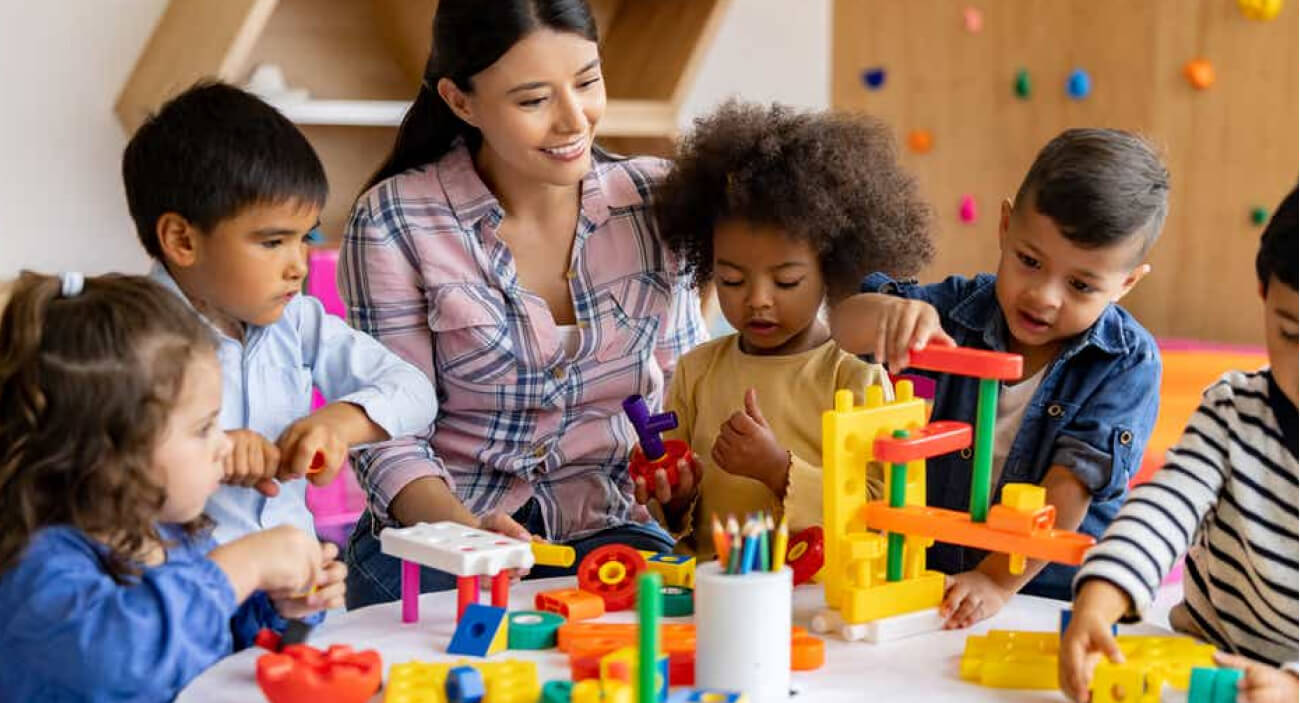
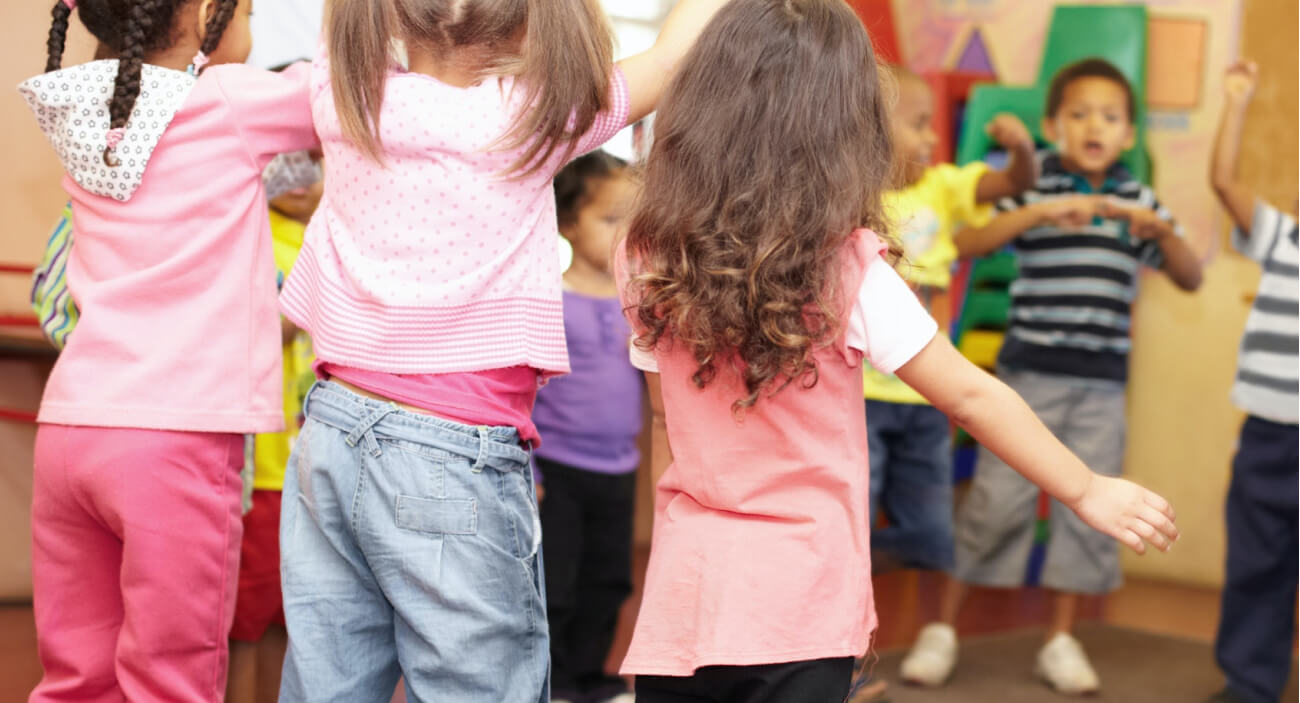
In the rapidly evolving world of education, early learning has taken center stage as a critical foundation for long-term academic and social success. Among the many teaching approaches, play-based learning has emerged as a powerhouse in preschool programs, especially when it comes to preparing young children for school. This strategy isn’t just about letting kids “have fun.” It’s a scientifically backed, developmentally appropriate method that nurtures school readiness through hands-on experiences, social interaction, and purposeful play.
As more educators, parents, and policymakers recognize the early learning benefits tied to play-based methodologies, the spotlight has shifted toward integrating structured play into preschool curriculums. But what exactly is play-based learning? And how does it impact school readiness in preschoolers?
Play-based learning is an educational approach centered around the idea that children learn best through play. It emphasizes child-led activities, exploration, and engagement with the world around them. Unlike traditional academic instruction that often relies on repetition and memorization, play-based learning leverages curiosity and natural interests to spark development.
At its core, this method encourages:
This approach is deeply rooted in developmental psychology, particularly the theories of Jean Piaget and Lev Vygotsky, who emphasized the role of social interaction and play in cognitive growth.
Research from neuroscience and developmental psychology supports play-based learning as a critical component of early brain development. When children play, their brains form neural connections that contribute to executive function skills like problem-solving, emotional regulation, and impulse control.
A report from the American Academy of Pediatrics emphasizes that play supports the formation of secure attachments and helps children learn to manage stress—key factors in school readiness. Brain scans of children engaged in play reveal activation in areas responsible for decision-making, motor planning, and language processing.
Furthermore, play activates the prefrontal cortex, strengthening pathways that support:
School readiness goes beyond knowing the alphabet or counting to ten. It encompasses a holistic set of skills that equip children to thrive in structured learning environments.
Key school readiness indicators include:
Children who enter kindergarten with these foundational skills tend to perform better academically and adapt more easily to classroom expectations.
Play is a natural social laboratory for children. It provides countless opportunities to practice empathy, cooperation, and communication. In collaborative settings—such as building a tower with blocks or engaging in pretend play—children negotiate roles, solve conflicts, and learn to understand others’ perspectives.
Key social competencies developed through play include:
Preschool programs that emphasize group-based play create environments where children can form secure peer relationships and gain confidence in social settings.
A child’s ability to identify, understand, and manage emotions is crucial for school success. Play provides a safe space to explore emotional experiences—both real and imaginary.
Through role-play, storytelling, and dramatic scenarios, children:
By practicing these emotional scenarios in a low-stakes environment, children develop self-regulation skills that help them cope with classroom stressors and transitions.
Cognitive development during preschool years is marked by rapid growth in memory, attention, and reasoning abilities. Play-based learning nurtures these areas by challenging children to solve problems, make decisions, and think critically.
Examples include:
Moreover, when children create rules during play or experiment with cause-and-effect (e.g., “What happens if I stack this here?”), they lay the groundwork for scientific reasoning and executive function.
Language acquisition flourishes in play-based environments. Children who engage in storytelling, role-play, and group games are consistently exposed to rich vocabulary and conversational structures.
Key activities that promote language growth include:
These experiences not only build vocabulary but also enhance listening comprehension, phonological awareness, and verbal expression—skills essential for reading and writing.
Preschoolers develop physical coordination and strength through active play. Whether running, jumping, painting, or manipulating small objects, every movement contributes to school readiness.
Play-based learning supports:
Activities like threading beads, building with LEGO, or navigating obstacle courses prepare children for tasks like writing, cutting, and participating in physical education.
Teachers are pivotal in transforming play from mere fun to a powerful learning tool. In high-quality preschool programs, educators guide play to align with learning objectives while preserving spontaneity and child autonomy.
Effective teacher strategies include:
This balance between structure and freedom helps children stay engaged while developing targeted skills.
Play-based learning naturally integrates STEM (science, technology, engineering, math) by encouraging exploration, experimentation, and observation.
Examples include:
These activities build a foundational interest in STEM subjects while promoting critical thinking and innovation.
Creativity is one of the most vital 21st-century skills—and play is its breeding ground. When children engage in imaginative scenarios, they learn to think divergently, adapt to new situations, and express themselves uniquely.
Creative play nurtures:
Such skills are not just useful in school—they’re crucial for lifelong problem-solving and adaptability.
Types of Play and Their Learning Impact
Play takes many forms, and each type contributes uniquely to a child’s development. Understanding these play categories helps educators and parents foster diverse skills in preschoolers.
Incorporating all these forms ensures a balanced development of cognitive, emotional, and physical capabilities.
Parents are a child’s first and most important teachers. When parents engage in play-based learning at home, they reinforce the experiences children have in preschool programs.
Ways parents can support at home include:
This continuity between home and school environments amplifies the benefits of play-based learning and accelerates school readiness.
There’s a long-standing debate between academic-focused and play-based early learning programs. Each has its merits, but research heavily favors the play-based model for long-term development.
| Aspect | Play-Based Learning | Academic-Focused Learning |
|---|---|---|
| Focus | Whole-child development | Early literacy/numeracy drills |
| Environment | Child-led, explorative | Teacher-led, structured |
| Engagement | High intrinsic motivation | Often extrinsically motivated |
| Skills Gained | Social-emotional, cognitive, physical | Primarily academic |
| Stress Level | Lower, more joyful | Higher, especially under pressure |
Many studies, including those published in Early Childhood Research Quarterly, suggest that children in play-based programs outperform their academically trained peers in the long term, particularly in executive functioning and creativity.
Around the world, cultures view early education differently. While some emphasize academic rigor, others prioritize holistic development through play.
These models demonstrate that play is a respected and effective learning method globally, especially when it aligns with cultural values and child development research.
School readiness assessments gauge whether a child has developed the necessary skills to thrive in kindergarten. These are often informal and observation-based in play-based settings.
Typical indicators include:
Tools like the Ages & Stages Questionnaires (ASQ) and Early Development Instrument (EDI) help educators track progress while preserving the integrity of a play-based approach.
Governments and educational institutions are increasingly recognizing the long-term benefits of early learning through play.
Examples of support include:
Countries that have embraced these policies report improved kindergarten readiness scores, better mental health outcomes, and reduced academic disparities among disadvantaged groups.
Despite its benefits, play-based learning faces several implementation challenges:
Overcoming these hurdles requires advocacy, education, and investment to shift mindsets and policies.
While guided play is valuable, unstructured play holds equal importance. Free play fosters creativity, decision-making, and independence.
Benefits include:
Balancing structured activities with open-ended play ensures a more enriching and empowering early learning experience.
The learning environment plays a crucial role in the effectiveness of play. A rich, stimulating setting invites exploration and deep engagement.
Key elements of an effective play space include:
Environments that reflect children’s interests and cultural backgrounds also enhance identity development and belonging.
Schools that have embraced play-based models often report higher engagement, lower behavioral issues, and smoother transitions to elementary education.
For example:
These case studies serve as blueprints for other regions aiming to revamp early childhood education.
Effective play-based learning depends heavily on well-prepared educators. Training must go beyond classroom management to include:
Ongoing professional development ensures teachers stay updated on best practices and research in early education.
Inclusion ensures that every child—regardless of ability—can benefit from play-based learning.
Inclusive practices involve:
Such environments teach children to appreciate diversity and develop compassion—essential traits for school and life.
Modern play can include digital tools without losing its developmental edge. When used wisely, technology enhances engagement and creativity.
Examples include:
Tech should supplement, not replace, physical and social play. Used intentionally, it adds variety and depth to the learning process.
The benefits of play-based learning extend well beyond preschool. Longitudinal studies show that children with play-rich early experiences tend to:
These outcomes reinforce the critical role of early play in lifelong learning and achievement.
Children with behavioral challenges often benefit immensely from play-based settings. Structured and unstructured play help:
Rather than punishing misbehavior, play-based environments teach coping strategies and promote positive reinforcement.
By allowing choices and encouraging exploration, play-based learning cultivates independence. Children become more confident in:
These experiences prepare children to take initiative and think critically—skills valued in every stage of education and adulthood.
Mental health starts early. Play-based learning fosters a sense of joy, security, and emotional well-being. Children who play regularly:
Preschools that prioritize play create safe spaces for emotional growth, setting a strong foundation for lifelong mental health.
The connection between play-based learning and school readiness is both intuitive and evidence-based. When children engage in purposeful play, they develop the emotional, social, cognitive, and physical skills needed to succeed in school. From learning how to take turns to solving problems with peers and expressing ideas, play fosters every aspect of readiness.
Preschool programs that embrace this approach don’t just prepare children for kindergarten—they empower them for a lifetime of learning.
Play-based learning is not a luxury—it’s a necessity for developing well-rounded, school-ready preschoolers. As research and experience show, when children learn through play, they gain more than knowledge; they build confidence, resilience, curiosity, and joy in learning. The future of education begins with play.




Comments are closed